August 24, 2026
Severe storms have become increasingly common, threatening homes and businesses alike with disruptive power outages. Having a reliable electricity backup system can mean the difference between a minor inconvenience and a major crisis. This article explores why securing a generator is vital during intense weather events and how it ensures safety, convenience, and peace of mind.
Whether you own a commercial property or a residential home, losing power disrupts daily life and critical operations. Preparing ahead of time with a standby generator installation offers a robust defense against unpredictable utility failures. By taking proactive measures today, property owners can safeguard their families and enterprises from challenges brought on by nature.
Recognizing the Impact of Severe Weather
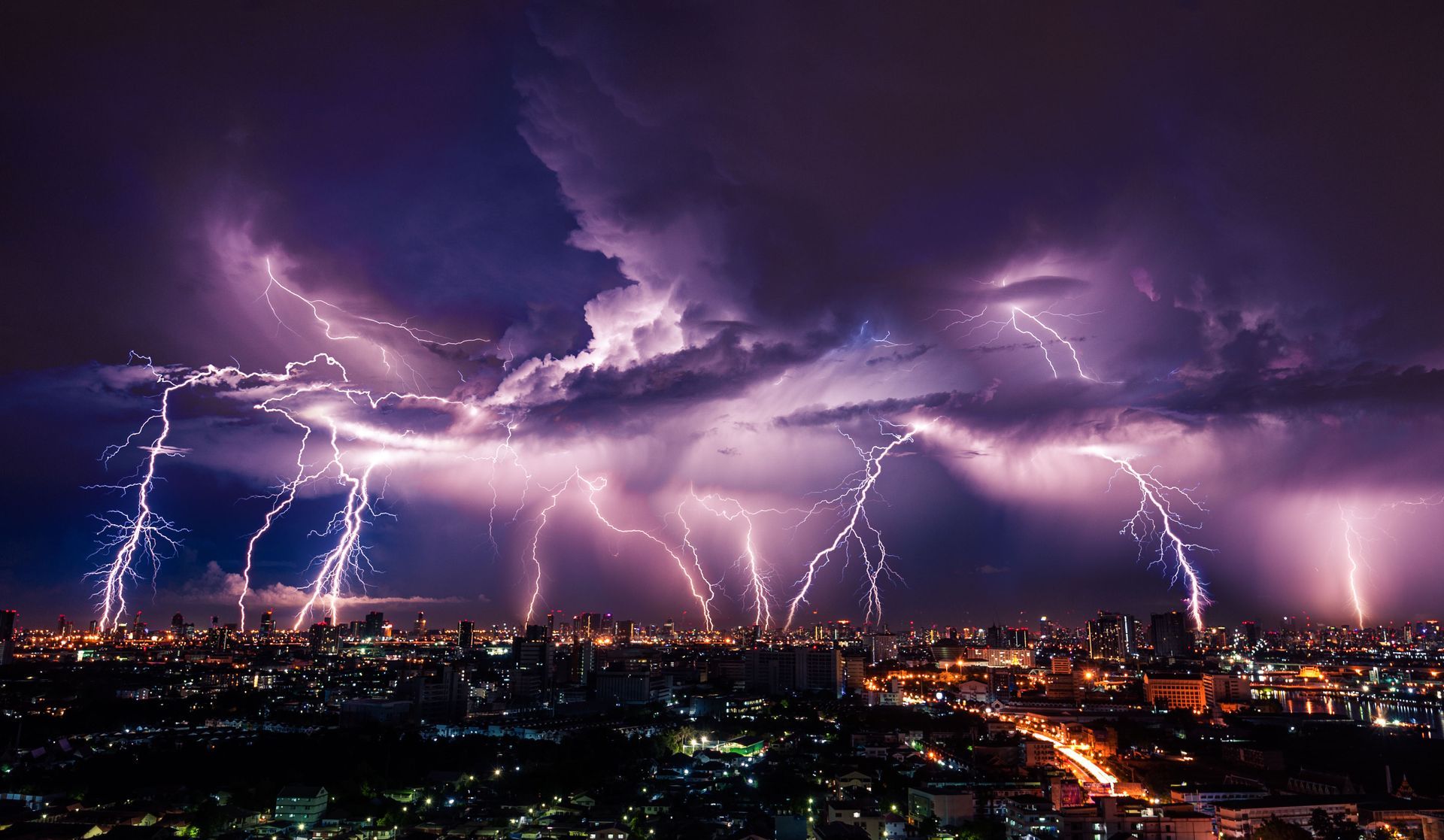
Climate changes are altering weather patterns, leading to more frequent and intense storms. Warmer oceans form stronger hurricanes, causing widespread devastation. As emissions rise, once-rare storms become routine events. Record-breaking storms showcase the immense power of nature. Devastating hurricanes cause unprecedented flooding, emphasizing the vulnerability of large urban centers and rural areas. Both environments face unique challenges, from grid overload to prolonged isolation post-storm.
The impact on power grids is profound, as these systems were not designed to withstand such extreme conditions. High winds down power lines, causing extended outages. According to The Energy Mix, the United States has experienced a 74% increase in storm-related power outages over the past decade compared to the preceding 10-year period. This highlights the strain on alternative power solutions. The unpredictability of future storm patterns necessitates proactive measures. By prioritizing a standby generator installation, households and enterprises maintain critical operations amidst prolonged electricity failures.
Understanding the Risks of Power Outages
Power outages during severe storms pose significant health and safety risks. Without electricity, life-saving medical equipment becomes inoperative, putting vulnerable individuals at risk. Power interruptions hinder access to emergency services, leaving people in darkness. Prolonged outages also compromise water treatment facilities, affecting clean water availability. For homes and businesses, interruptions disrupt normal operations. Refrigeration units fail, leading to food spoilage, while businesses experience interrupted production cycles or data loss. In a world reliant on digital operations, outages translate to economic detriment.
Long-term power outages have drastic financial repercussions. Homeowners face mounting costs from property damages and insurance claims. On the commercial side, lost revenue and potential contract breaches financially strain a business. Restoring power after a significant storm is fraught with logistical challenges. Utility companies become overwhelmed by the scale of damage, leading to prolonged service disruption. Transport issues and personnel shortages complicate restoration timelines. A standby generator installation provides an immediate solution to unavoidable delays, enabling continuity of essential functions and deferring dependency on stretched utilities.
Evaluating the Role of Home Generators
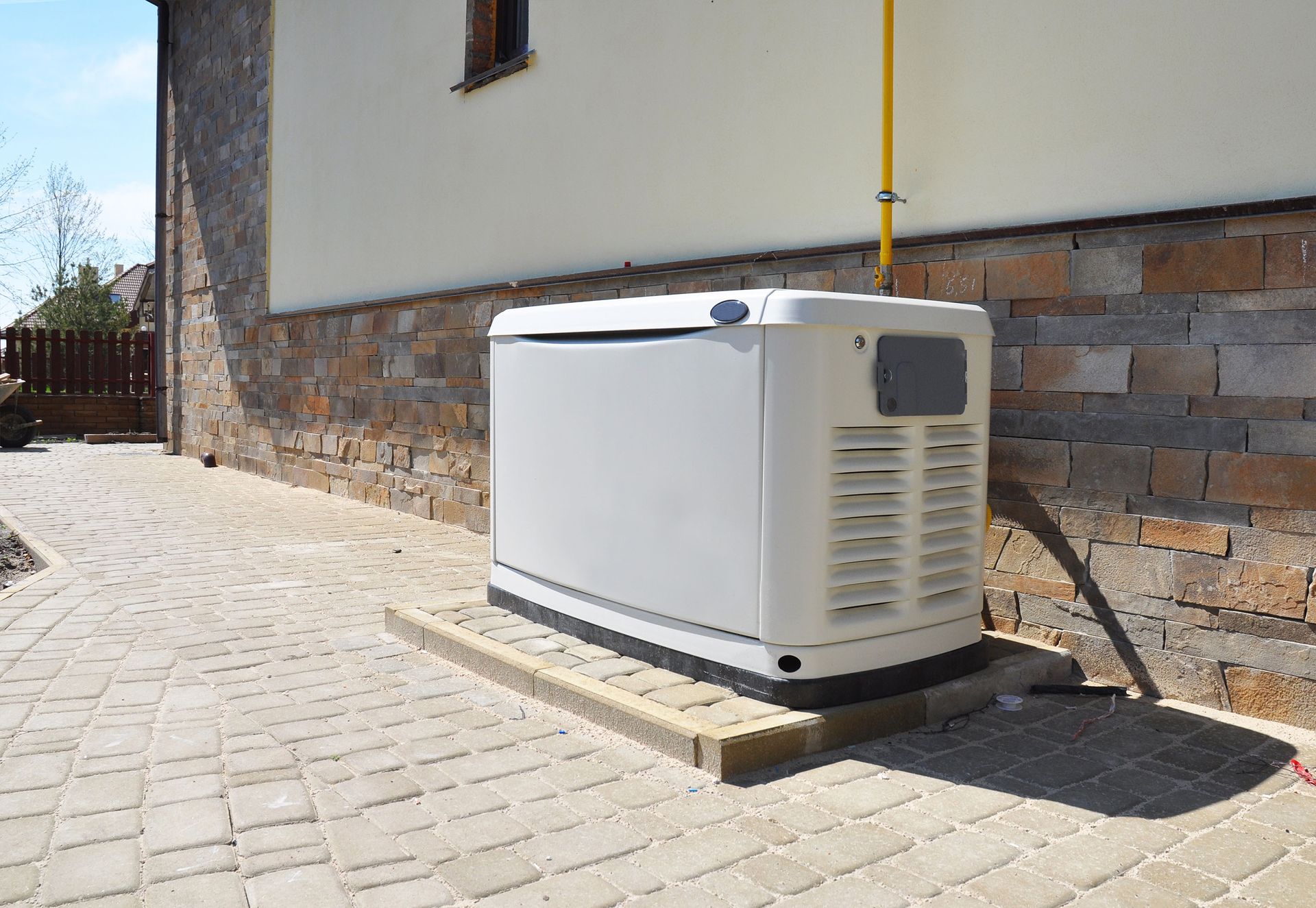
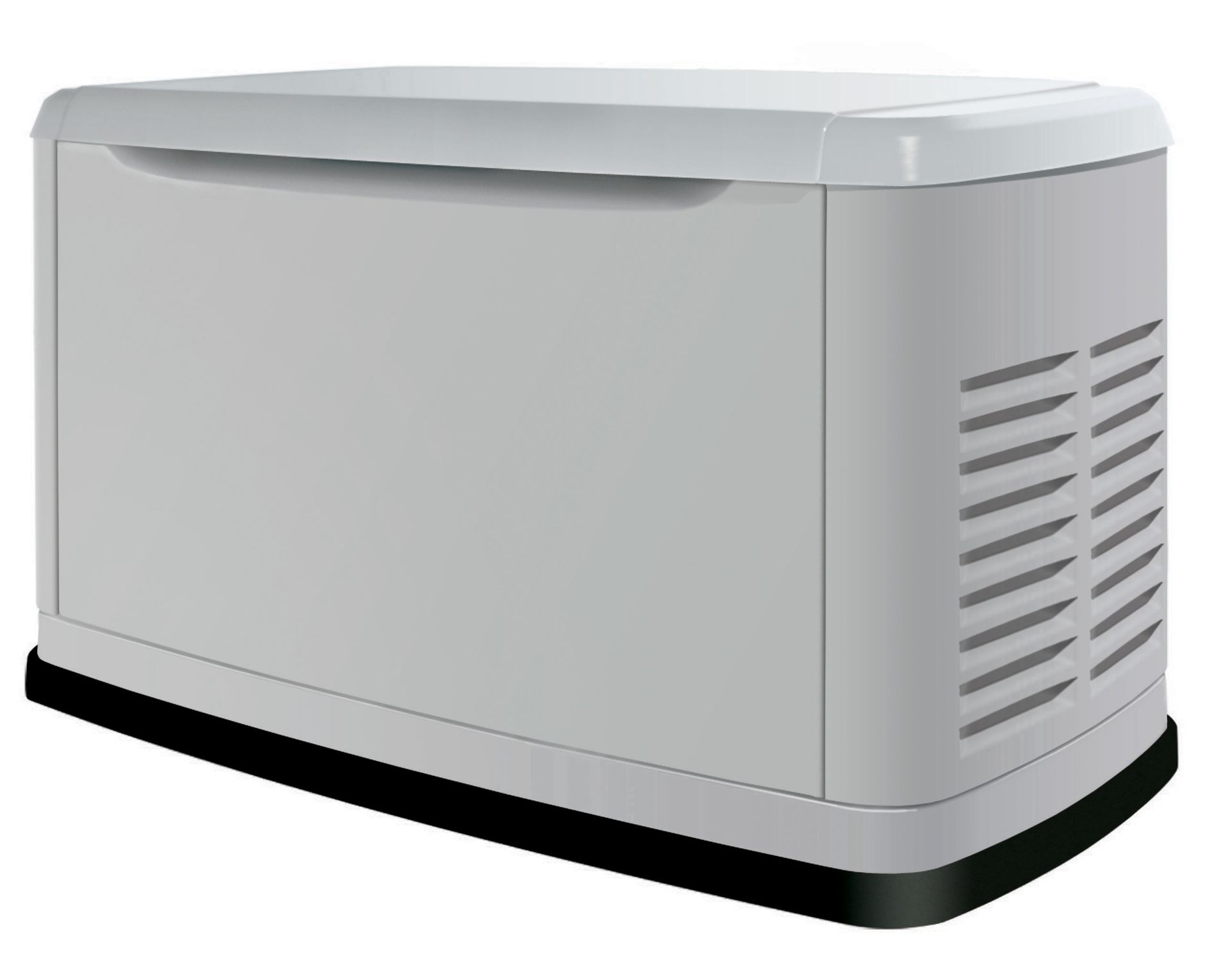
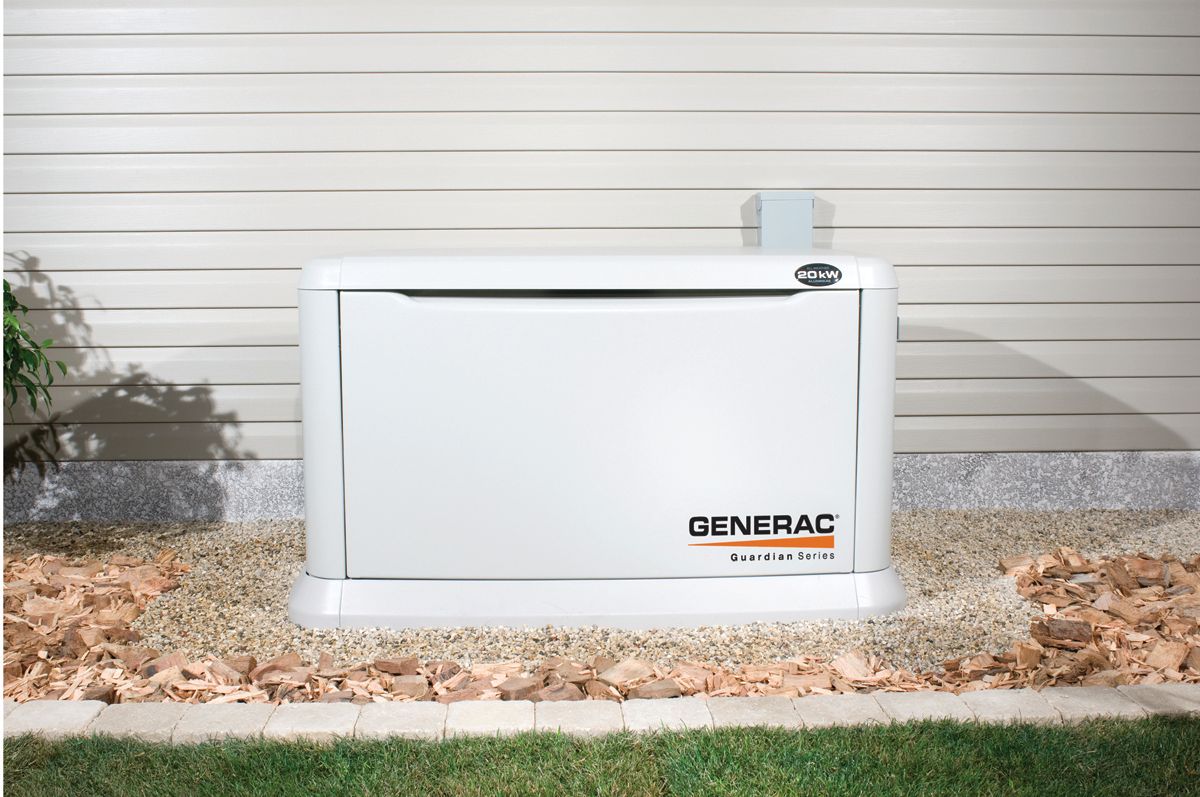
Homes and businesses have a variety of generator options, catering to different energy consumption levels. Portable generators provide temporary electricity for essential devices and offer ease of transport. In contrast, standby models provide a permanent solution that automatically activates during an outage, directly connected to the building's electrical system. During severe weather events, continuous power is crucial for maintaining essential services. These permanent setups offer a seamless transition by auto-engaging during a utility grid failure. This immediate response prevents disruption of any ongoing electrical activities, unlike portable options requiring manual operation.
A key advantage of securing a proper backup system is its capability to supply electricity unhampered by utility failures. Emergency services, refrigeration units, communication devices, and heating systems must operate uninterrupted to maintain security during storms. Modern generators feature enhancements that improve usability and efficiency, making them vital assets during chaotic weather. Automatic startup ensures restoration without user intervention, while noise reduction technologies amplify comfort. Choosing a standby generator installation secures larger demands, restoring electricity to an entire property without the hassle of temporary fixes.
Benefiting From Backup Power Solutions
Securing a permanent generator fundamentally contributes to family safety by illuminating homes during outages, reducing accident risks. Maintaining a working security system despite grid failures guards against potential break-ins, as outages encourage such attempts. The ability to remain connected to emergency alerts enhances preparedness for evolving situations. For businesses, ensuring continuity amidst severe storms is critical to minimizing operational disruptions and maintaining client trust. Companies uphold essential functions, whether through customer support hotlines or critical data servers. Operating without interruptions preserves client relations and fulfills commitments without prolonged utility failures.
The financial implications of losing electricity are quickly reflected in costs from food spoilage and halted productivity. A standby generator installation acts as a strategic financial safeguard, capable of reducing these losses significantly. Businesses benefit from continuous processes, safeguarding potential revenue loss. In homes, preserving consumables and preventing frozen pipe damages directly translate to savings. Incorporating a backup system into a property also enhances its market value, appealing to potential buyers looking for readiness against unexpected disruptions. This psychological assurance during crises offers invaluable peace of mind.
Choosing the Right Equipment for Your Property
The first step in selecting a suitable backup system is accurately assessing specific energy requirements. Determining the total wattage needed to run essential appliances is crucial. This involves calculating the starting and running wattage of critical household or commercial items like refrigerators and communication devices. Such calculations help in picking a model that meets demands without overstretching its capacity. Evaluating brand reliability, features, and consumer reviews is essential to make informed choices. Consideration of brand reputation and warranty offers guides choices toward trustworthy investments.
Enlisting the insight of a professional installer aids in the seamless integration of a new system into your setup. Professionals provide valuable expertise, ensuring the selected model's compatibility within the existing electrical framework. They offer guidance on setup locations, wiring, and connections, leveraging efficient installation practices. Understanding fuel types is equally important, as these setups operate on various sources. Propane and natural gas provide clean alternatives, often favored for permanent systems. Committing to a professional standby generator installation guarantees that all local regulations are strictly followed to prevent legal complications.
Maintaining Best Practices for System Longevity
Successful implementation begins with thorough planning, ensuring a streamlined process from start to finish. Confirming technical specifications and placement ahead of time minimizes disruptions and enhances efficiency. Prioritizing safety guarantees not only compliance but protection against potential hazards. Proper placement ensures ventilation and reduces noise, while grounding connections minimize malfunction risks. Installing transfer switches prevents backfeeding, a dangerous occurrence sending electricity back through utility lines. Protective enclosures and measures against weather-induced damages enhance longevity and performance, underpinning operational reliability while maintaining user safety.
Regular maintenance checks preserve performance and reliability, extending the operational lifespan of your investment. Routine inspections, cleaning, and lubrication enhance component functionality, reducing wear and preventing breakdowns. Checking fuel systems, filters, and oil levels ensures efficient engine operations and mitigates emission concerns. Scheduled maintenance deters emergency repair needs and ensures readiness when severe storms test operational capabilities. Over time, addressing repairs aligns your equipment with evolving demands. Through routine servicing or a new standby generator installation, tracking system health ensures continuous improvement.
As intense weather events become a more regular threat, the importance of having a reliable backup system cannot be overstated. Whether for personal safety, continuous business operations, or simple peace of mind, an independent electricity source serves as a critical line of defense against the unpredictability of nature. Informed decisions about equipment choice mitigate the impacts of these natural events, allowing life to continue smoothly when the grid fails.
Investing in a permanent standby generator installation ensures that you are never left in the dark during a crisis. Preparation today secures comfort and safety for tomorrow, shielding your property from the harsh realities of extended utility interruptions. If you are ready to protect your home or business from unpredictable weather, we encourage you to contact us at Elite Power Services to start planning your custom project together.