August 17, 2026
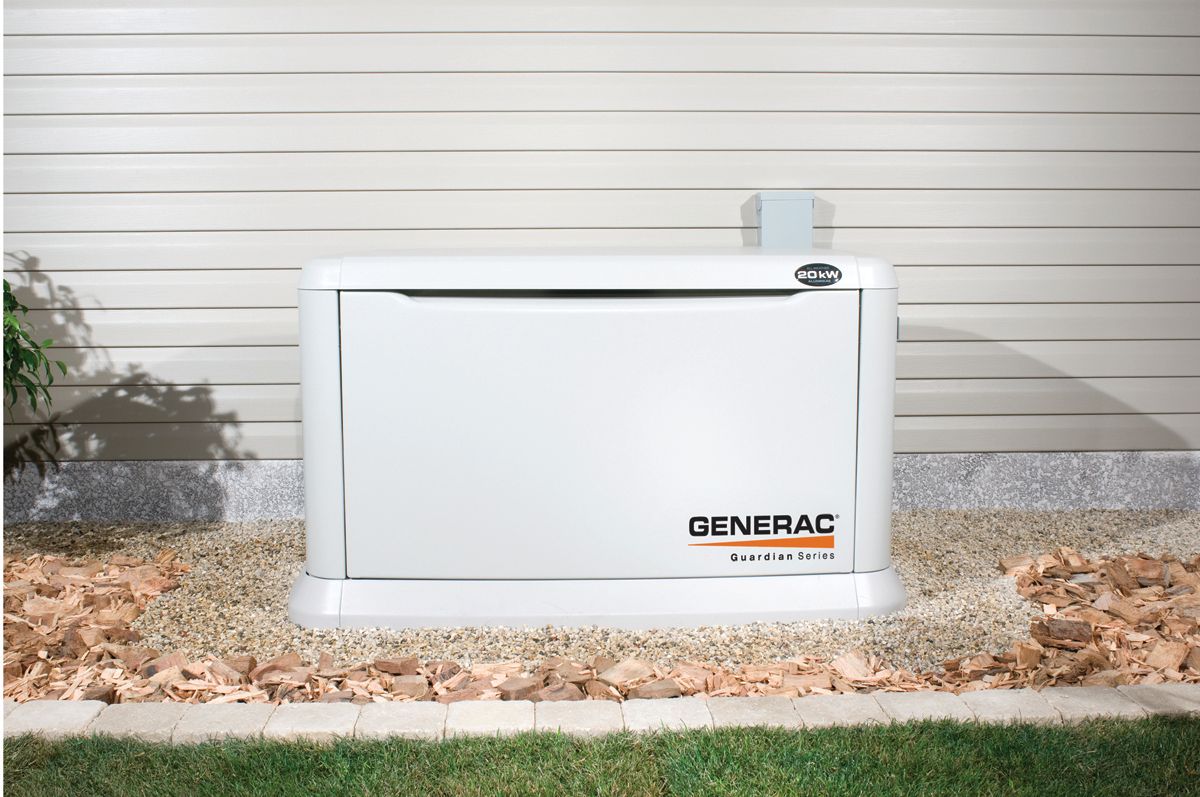
A standby generator provides an important source of backup power when an outage interrupts normal electrical service. Unlike a portable unit that must be moved and connected when needed, a permanently installed generator can be ready to supply power automatically when the electrical system detects an interruption. This convenience makes it an important part of preparedness for homeowners who rely on electricity for heating, cooling, refrigeration, communication, and other essential systems.
A
whole home generator can provide dependable backup power, but it still requires regular professional attention to remain ready for demanding conditions. Maintenance helps identify worn components, fluid concerns, battery problems, and other issues before an emergency occurs. Establishing a consistent service routine can also support the equipment's long-term performance and help homeowners get more value from their investment.
Scheduling Regular Professional Inspections
Regular inspections are one of the most important parts of generator maintenance. Professional technicians can examine the generator's major components and determine whether anything shows signs of wear, deterioration, or abnormal operation. Routine inspections also create opportunities to identify developing concerns before they interfere with the unit's ability to provide backup power.
The frequency of service can depend on the generator's age, usage, manufacturer recommendations, and operating environment. A generator that experiences frequent testing or extended operation may have different maintenance needs from one that rarely runs. Professional technicians can establish an appropriate maintenance schedule based on the equipment and the home's specific requirements.
Checking Engine Fluid Levels
Engine fluids play an important role in maintaining generator performance. Oil and other required fluids help support the mechanical components responsible for producing power. If fluid levels become inadequate or the fluids deteriorate, the generator may experience increased wear or reduced performance during operation.
Professional maintenance should include checking fluid levels and assessing their condition according to the manufacturer's requirements. Technicians can determine whether fluids need to be serviced as part of scheduled maintenance. Keeping these systems properly maintained helps prepare the generator for periods when it may need to operate for an extended duration.
Inspecting the Generator Battery
The starting battery is essential because it provides the electrical power needed to start the generator's engine. A battery that has deteriorated or lost its ability to hold a charge can prevent the generator from starting when an outage occurs. Battery condition should therefore be considered an important part of routine generator service.
Professional technicians can inspect the battery and its connections for signs of corrosion, deterioration, or other concerns. They can also assess whether the battery is performing appropriately for the generator's requirements. Addressing battery concerns during scheduled service can reduce the likelihood of discovering a starting problem during an unexpected outage.
Examining Electrical Connections
A generator depends on numerous electrical connections to transfer power safely and effectively. Connections can experience wear, corrosion, or other changes over time, particularly when equipment is exposed to changing temperatures and outdoor conditions. Professional inspections can identify concerns that may affect generator operation.
Technicians can evaluate relevant wiring, connections, transfer equipment, and other electrical components as part of a comprehensive maintenance visit. This type of inspection is especially important because electrical systems require specialized knowledge and appropriate safety procedures. Professional service helps ensure that potential electrical concerns receive qualified attention.
Reviewing Automatic Transfer Operation
The automatic transfer switch is a critical component of a standby generator system. When the home's primary electrical supply fails, the transfer switch coordinates the transition to generator power. When utility power returns, it helps facilitate the transition back to the normal electrical supply.
Because this process needs to occur reliably during an outage, professional technicians should evaluate the transfer system as part of scheduled maintenance. Testing can help identify problems with the switching process before an actual power failure occurs. A generator may operate properly on its own, but issues with the transfer system can still prevent backup power from reaching the home as intended.
Maintaining Clean Generator Components
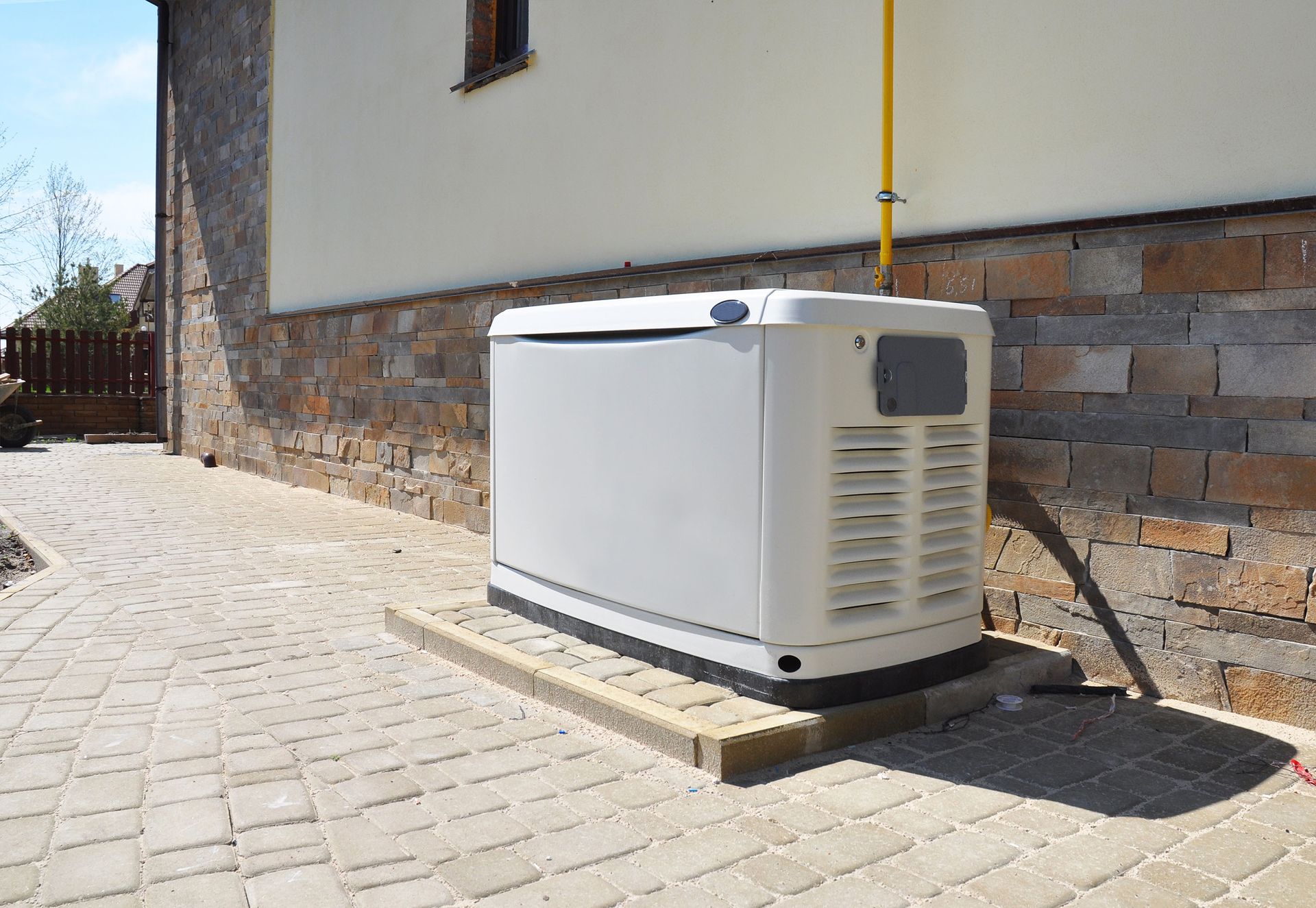
Outdoor generators are exposed to dust, leaves, pollen, moisture, and other environmental debris. Accumulated material can affect certain components and may interfere with proper airflow or ventilation. Keeping the area around the equipment appropriately maintained is therefore an important consideration for overall generator care.
Professional technicians can examine the enclosure, ventilation areas, and other accessible components during scheduled service. They can identify conditions that may require additional attention and help ensure the generator remains appropriately positioned for operation. A clean and unobstructed installation environment supports the equipment's ability to function as designed.
Monitoring Generator Exercise Cycles
Standby generators commonly use automatic exercise cycles to periodically operate the engine without waiting for a power outage. These cycles help keep mechanical components active and provide an opportunity to identify certain operational problems. Monitoring exercise performance can therefore provide useful information about the generator's condition.
If an exercise cycle does not occur as expected, the issue should receive professional attention rather than being ignored. Problems with scheduling, controls, batteries, or other components can interfere with the system's readiness. Regular professional service helps determine whether the generator is completing its exercise cycles properly.
Reviewing Fuel System Performance
A generator needs an appropriate fuel supply to operate during an outage. Depending on the equipment, the system may use natural gas, propane, diesel, or another approved fuel source. Fuel-related components should be inspected according to the generator manufacturer's requirements to ensure the system remains prepared for operation.
Professional technicians can evaluate relevant fuel connections and components for signs of deterioration or other conditions requiring service. Maintaining the fuel system is particularly important because a generator cannot provide backup power if its fuel supply is interrupted. Regular inspections help ensure that this essential part of the system receives appropriate attention.
Testing Generator Output
A generator's ability to start is only one part of successful operation. It must also produce appropriate electrical output for the systems it is designed to support. Professional testing can help technicians evaluate whether the equipment is operating within expected parameters.
Testing generator performance during scheduled service can provide useful information about the condition of the electrical and mechanical systems. If output does not meet expectations, a technician can investigate the underlying cause and determine what service may be necessary. Regular evaluation helps homeowners avoid assuming that a generator is fully operational simply because its engine starts.
Reviewing Service Records
Keeping accurate maintenance records can make long-term generator care more organized. Service documentation can show when inspections occurred, which components were evaluated, and what maintenance was performed. This information can be valuable when planning future service or evaluating the equipment's history.
Service records can also help technicians understand how the generator has been maintained over time. If a recurring concern develops, previous documentation may provide useful context. Maintaining a consistent record of professional service supports a more informed approach to long-term equipment care.
Following Manufacturer Recommendations
Every generator model has specific maintenance requirements, and those recommendations should be considered when establishing a service schedule. Manufacturer guidance can address operating intervals, approved fluids, replacement components, inspection procedures, and other equipment-specific requirements. Professional technicians can use this information when determining appropriate maintenance procedures.
Following the manufacturer's maintenance recommendations can also help prevent important service intervals from being overlooked. According to Home Advisor, a quality standby generator can potentially operate for 30 to 50 years when it receives regular service. Consistent professional maintenance can therefore play an important role in supporting the equipment's longevity and continued performance.
At Elite Power Services, we understand how important dependable backup power is when your home loses access to the electrical grid. Our team provides professional generator maintenance and service designed to keep your equipment prepared for the demands of an unexpected outage. Contact Elite Power Services today to schedule professional service and help keep your generator operating reliably when your home needs backup power most.