October 22, 2026
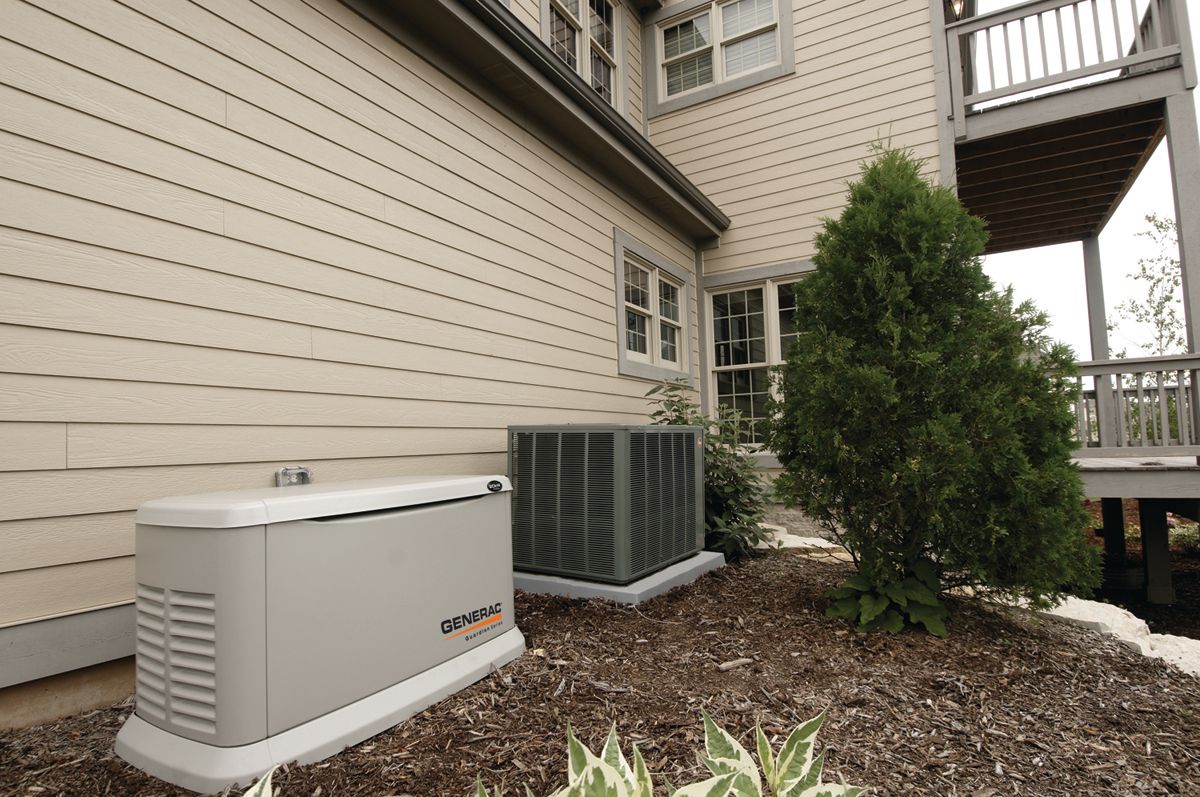
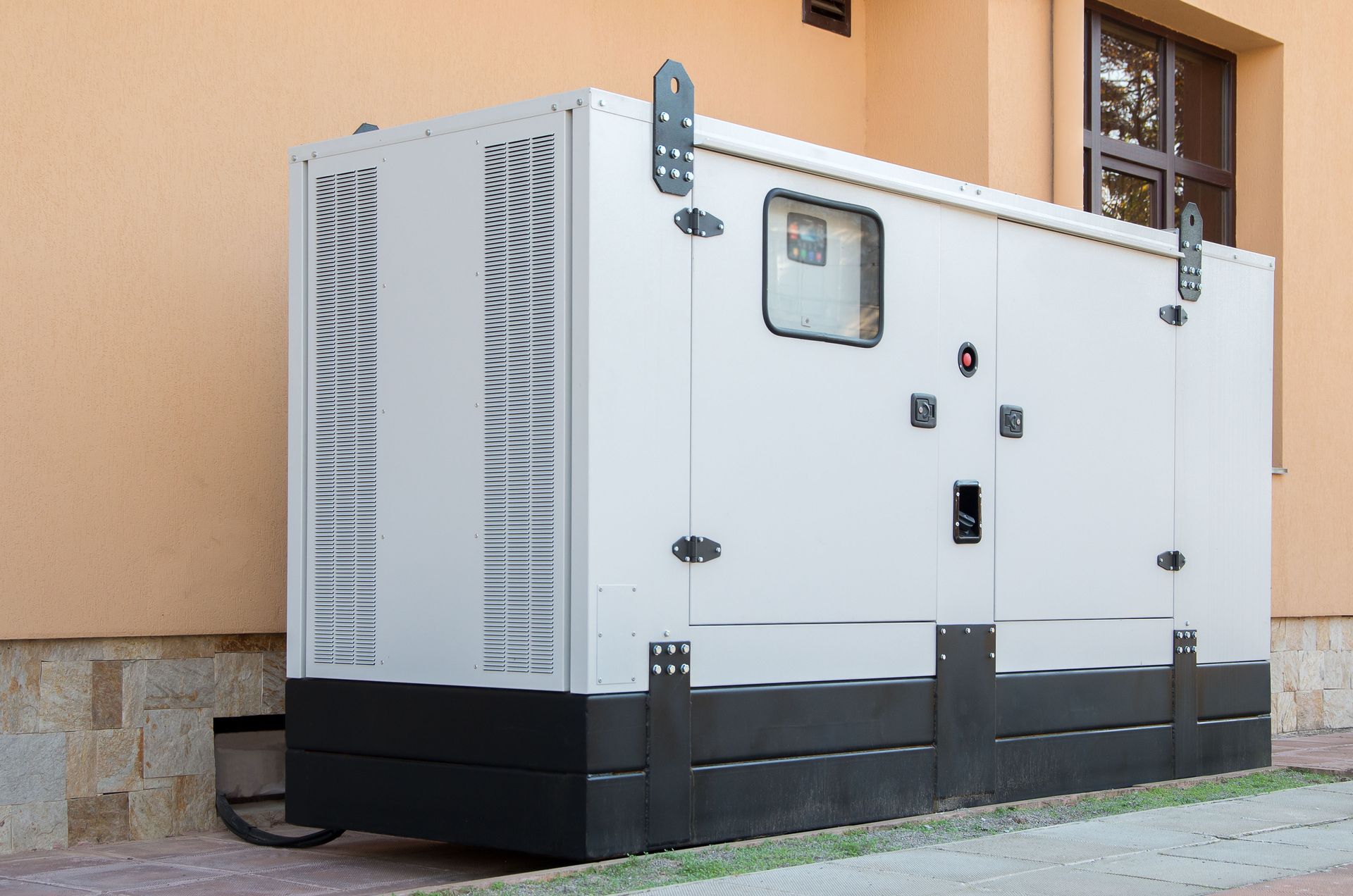
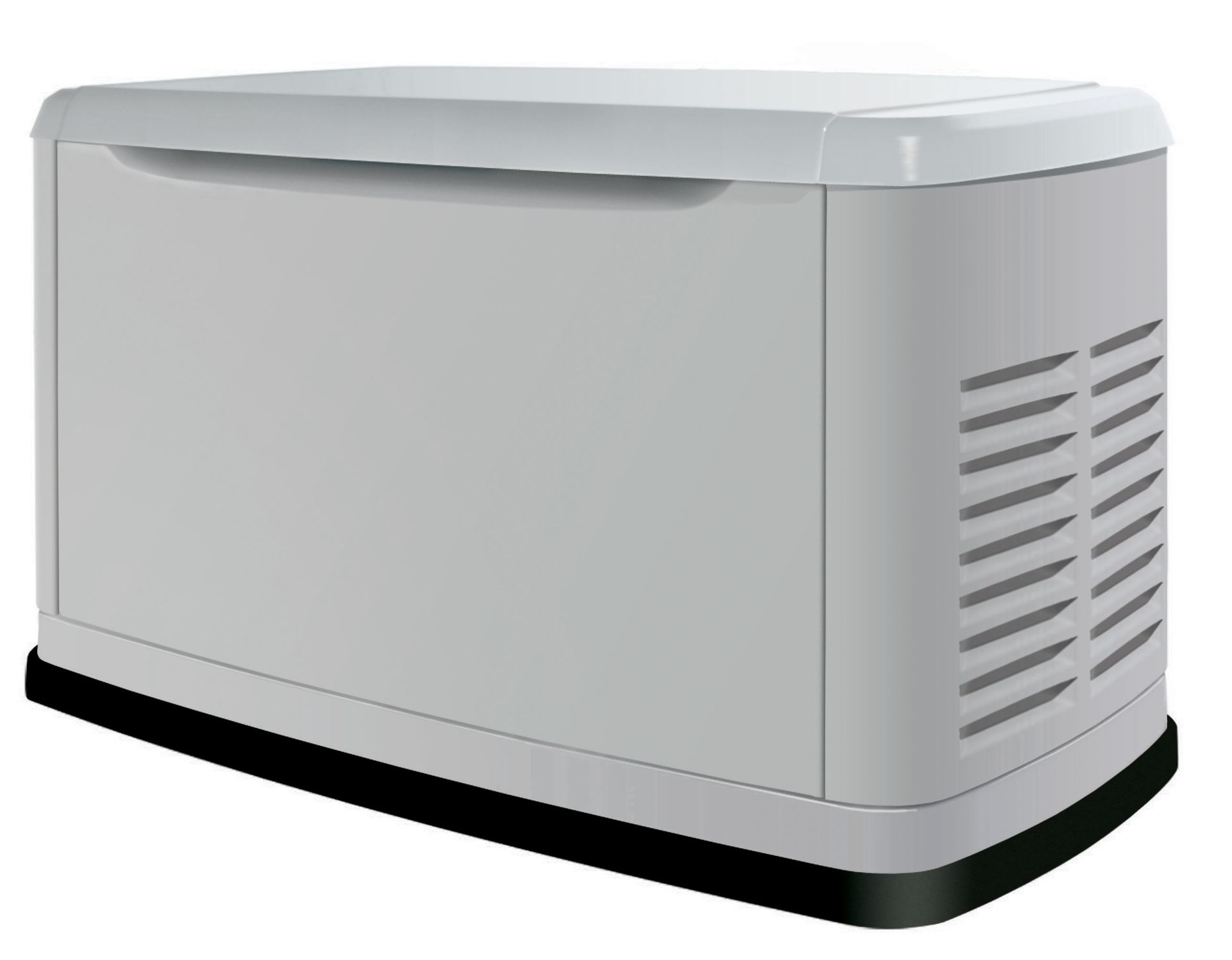
Power outages can disrupt heating and cooling, spoil food, and leave essential equipment without electricity. A residential generator can keep key systems running, but it needs routine attention to identify wear before a storm exposes a problem.
How Often Should a Residential Generator Be Serviced?
The right service schedule depends on the generator’s type, age, operating hours, and manufacturer recommendations. Follow the owner’s manual rather than relying on a universal timetable. Many permanently installed standby models perform automatic self-tests weekly or at another programmed interval, but these brief exercises do not replace professional servicing.
A typical service visit may include changing engine oil and the filter, checking the air filter, inspecting spark plugs where applicable, testing the battery and charging system, and looking for fuel, oil, or coolant leaks. A technician may also verify that the unit starts correctly, transfers power as intended, and returns to standby mode. Some tasks are based on elapsed time, while others depend on run hours, so both measures matter.
A residential generator that runs frequently may need attention sooner than one used only for routine exercise cycles. Extreme temperatures, heavy workloads, and long operating periods can also affect service intervals. Keep records of service dates, run hours, and repairs.
Homeowners can perform basic visual checks, but maintenance involving electrical connections, fuel systems, or internal engine components should be left to a qualified professional. Follow the manual’s shutdown procedures before permitted checks, and never touch components that may be hot or energized.
What Are the Critical Components to Inspect Regularly in a Generator?
Inspect the exterior for damage, corrosion, pests, and debris that could block ventilation. Keep the area clear according to the manufacturer’s requirements to prevent overheating.
Check the engine oil at the recommended interval and investigate any noticeable drop between checks. Low oil can damage an engine, while overdue oil changes reduce protection for moving parts. Inspect for oil or coolant leaks, and do not open a hot cooling system.
The battery deserves particular attention because a weak battery can prevent the engine from starting. Look for corrosion, loose connections, swelling, or visible damage, and have its condition tested as recommended. Air filters, spark plugs, belts, hoses, and fuel lines also need periodic inspection, depending on the model. A clogged filter can restrict airflow, while cracked hoses or deteriorated fuel lines can create safety risks. Liquid-cooled models also require attention to coolant condition and radiator airflow.
Fuel quality matters. Stale gasoline can cause starting and running problems in portable units, while propane and natural gas systems should be checked for leaks by qualified personnel. If you smell gas, leave the area and contact the appropriate emergency or utility service rather than trying to locate the leak yourself.
How Do I Store My Residential Generator During Off-Seasons?
Before storing a portable generator, consult the manual for the correct shutdown procedure and allow the engine to cool completely. Clean the exterior, inspect for damage, and address needed repairs before putting it away. Store the unit in a dry location protected from rain and snow, away from living spaces and ignition sources.
Gasoline can deteriorate over time, so follow the manufacturer’s directions about using an approved stabilizer, draining the fuel system, or running the engine dry when appropriate. These approaches are not interchangeable for every model. Keep fuel in approved containers and follow local fire-safety rules. Never store fuel where vapors could accumulate near a flame, pilot light, or other ignition source.
Battery care is also important. If the manual allows the battery to be disconnected or removed, follow its instructions and maintain or charge it as recommended. For a standby unit, do not disconnect equipment without understanding how that affects automatic operation. Ask your service provider how to preserve readiness if the generator will be unused for an extended period.
Use only a manufacturer-approved cover, and ensure it will not trap moisture or obstruct ventilation during operation. Before returning a residential generator to service, check for pest damage and confirm that fuel and oil are appropriate. Never operate a generator indoors, in a garage, or in another enclosed space. Exhaust contains carbon monoxide, an odorless gas that can be fatal. Operate portable units outdoors, far from doors, windows, and vents, following the manual and safety guidance.
What Should Be Included in a Generator Maintenance Checklist?
A written checklist makes residential generator maintenance easier to track and helps prevent small tasks from being forgotten. Adapt it to the specific model’s manual, and include items such as:
- Check the exterior, ventilation openings, and surrounding area for debris, damage, or pest activity.
- Verify oil and other required fluid levels, and look for leaks.
- Inspect the battery and connections as recommended.
- Check filters, fuel lines, hoses, belts, and other serviceable parts.
Confirm scheduled exercise cycles occur and review warning indicators. - Record run hours, service dates, repairs, and unusual sounds, smells, or starting problems.
- Arrange professional servicing at required intervals and follow up on unresolved alerts.
Include household safety, too: test carbon monoxide alarms, keep the manual accessible, and ensure household members know what to do during an outage. For a permanently installed system, have a qualified technician verify the transfer switch and electrical connections. Never connect a generator to household wiring by plugging it into a wall outlet; improper backfeeding can endanger utility workers and occupants. A properly installed transfer switch helps isolate the home from the utility supply.
According to Zipdo, about 55% of residential generators are installed specifically to provide backup power during outages. That statistic highlights why maintenance is more than a routine chore: people depend on these systems when normal electricity is unavailable. Keep the checklist somewhere convenient and update it after each inspection or service appointment.
How Does Load Testing Ensure Generator Reliability?
A generator may start during a brief exercise cycle and still struggle when asked to power several household systems at once. Load testing assesses whether equipment can deliver electricity under meaningful demand. Conducted according to the manufacturer’s procedures, it can reveal problems that a simple no-load start may not uncover.
A qualified technician may monitor voltage, frequency, engine behavior, and other readings while the generator supplies a controlled load. Testing can reveal unstable output, overheating, or difficulty sustaining expected demand. Depending on the installation, technicians may use specialized load-bank equipment or an approved procedure that reflects how the system will be used. The appropriate method and frequency depend on the unit and its purpose, so discuss a residential generator’s testing needs with its service provider.
Homeowners should not improvise by switching on every major appliance at once. Instead, review which circuits the system is designed to support and ask a technician to confirm that its capacity matches those needs. Refrigerators, sump pumps, heating equipment, well pumps, and air conditioners have different starting and running demands. Understanding those requirements helps prevent overload and sets realistic expectations during an outage.
Load testing and scheduled servicing help a residential generator deliver dependable power. Keep test records and address irregular readings promptly.
Regular maintenance helps a
residential generator stay ready when dependable power matters most. Follow the manufacturer’s service schedule, inspect critical components, store equipment correctly, keep a written checklist, and arrange appropriate load testing. These habits can extend equipment life, improve reliability, and help homeowners respond to power interruptions with greater confidence. If you're looking for a home generator, reach out to the team at Elite Power Services today!